
Dry Eye vs. Eye Allergies: How Can You Tell the Difference?

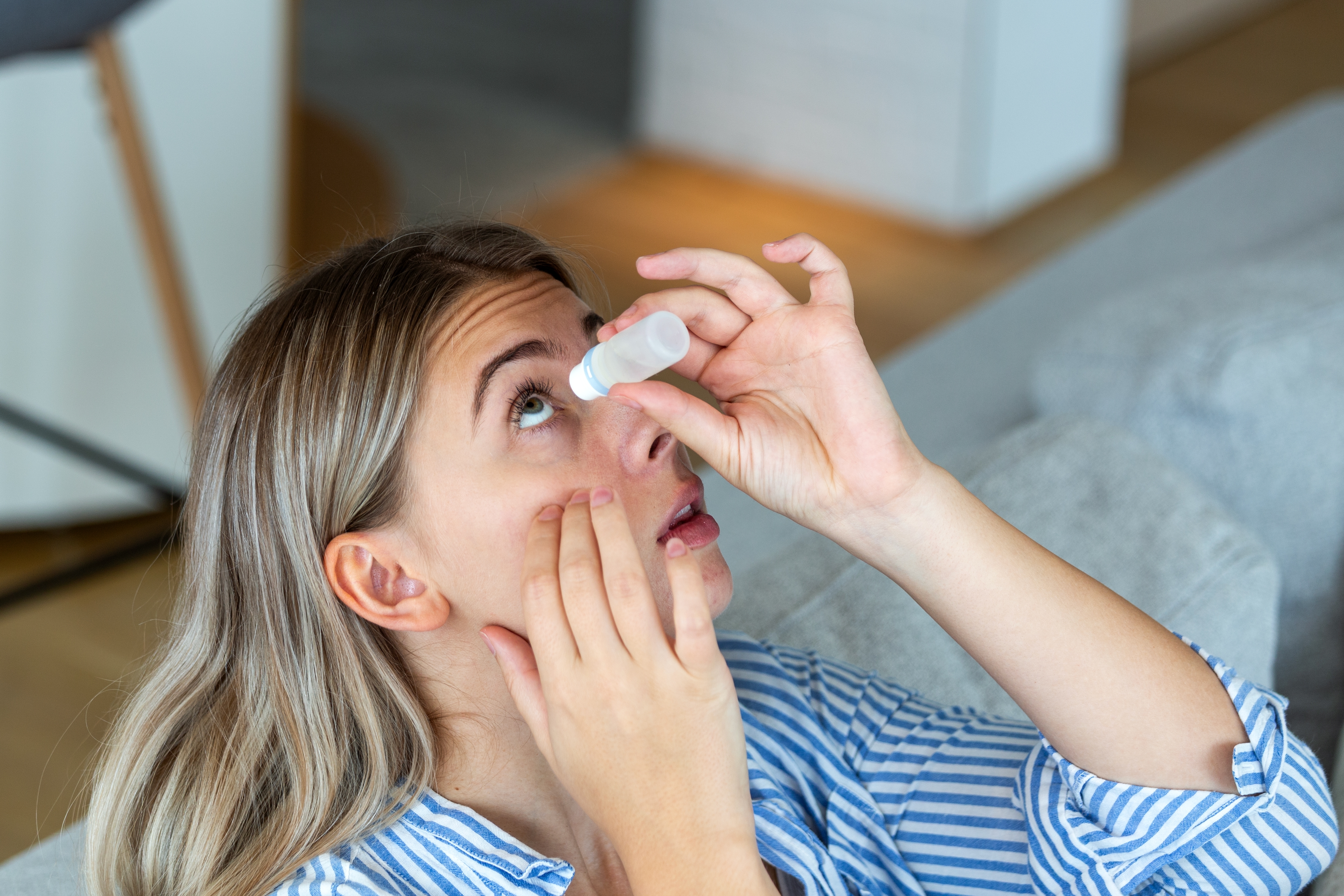
Red, watery, irritated eyes can make it difficult to tell whether you are dealing with dry eye or eye allergies. These conditions share several symptoms, but their causes and treatments differ. Understanding the clues can help you recognize when it is time for an eye exam and avoid using products that may not address the underlying issue.
What Causes Dry Eye?
Dry eye develops when your eyes do not produce enough tears or when tears evaporate too quickly. An unstable tear film can leave the surface of the eye irritated and affect vision. Common contributors include prolonged screen use, contact lenses, certain medications, aging, and exposure to wind or air conditioning. Symptoms may occur year-round and often become more noticeable later in the day.
What Causes Eye Allergies?
Eye allergies, also called allergic conjunctivitis, occur when the immune system reacts to substances such as pollen, dust mites, pet dander, or mold. This reaction releases chemicals that trigger inflammation, redness, and itching. Symptoms often affect both eyes and may appear alongside sneezing, congestion, or a runny nose. While seasonal allergies can flare during certain times of year, indoor allergens can cause symptoms at any time.
How Can You Tell the Symptoms Apart?
Although an eye exam is the most reliable way to determine the cause, several patterns may help distinguish dry eye from eye allergies:
- Itching: Strong, persistent itching is more characteristic of allergies.
- Burning or Grittiness: A stinging sensation or the feeling of sand in your eyes often points toward dry eye.
- Watery Eyes: Both conditions can cause excess tearing. Dry eyes may water in response to irritation.
- Blurred Vision: Vision that fluctuates and briefly improves after blinking can occur with dry eye.
- Triggers: Symptoms after pollen exposure may suggest allergies, while discomfort after screen time may suggest dry eye.
Symptoms are not always clear-cut, and it is possible to have both conditions at the same time.
Why Does the Difference Matter for Treatment?
Dry eye treatment focuses on improving tear quality, reducing evaporation, and addressing underlying inflammation or eyelid problems. Depending on the cause, we may recommend lubricating eye drops, changes to daily habits, or additional care based on examination findings.
Eye allergy treatment instead targets the allergic response. Options may include limiting allergen exposure, cool compresses, and appropriate antihistamine or mast cell stabilizer eye drops. Some oral antihistamines can worsen dryness, making an accurate diagnosis especially important.
Avoid using redness-relieving drops routinely without guidance, and resist rubbing irritated eyes, which can increase discomfort.
When Should You Schedule an Eye Exam?
If redness, itching, or burning continues despite basic care, an evaluation can help identify what is happening. At Shalimar Eye Care, we assess your symptoms, tear film, and eye surface to determine whether dry eye, allergies, or another condition is contributing to your discomfort. Seek prompt care for eye pain, light sensitivity, significant discharge, or changes in vision.
For personalized help with dry eye or eye allergy symptoms, contact Shalimar Eye Care in Shalimar, FL, at (850) 972-1600 to schedule a comprehensive eye exam.


Monday - Thursday
8:30 AM to 05:00 PM
Closed for lunch every day from 12:00 -1:00 PM
Friday
Closed
Saturday & Sunday
Closed
10 Old Ferry Road Shalimar, FL 32579
Powered by 